 Propane/Fuel AccountOrder / Pay Account
 Ag/Retail Account
Review Account
Ag/Retail Account
Review AccountBe on the Lookout for Aphids and [More] Weevils
Jul 11, 2023
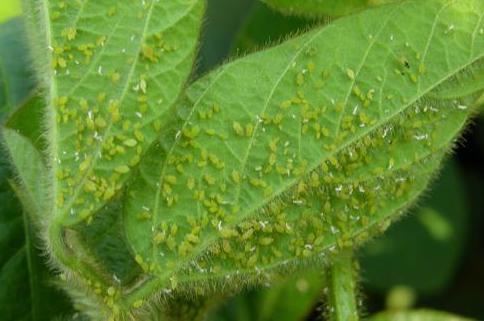
Aphids are showing up in hot spots across the upper Midwest and have moved into southern Minnesota and Wisconsin – which means it’s likely only a matter of time before they reach a field near you if dry weather conditions prevail.
When grass, where the aphids reside, starts to dry up around the edges of the fields, they will move on to “greener” feeding in the soybean field. At that point it’s nearing time to spray for the insects.
Also, Carlson said, “look for the aphids in the ‘trap crop,’ the late-planted soybean fields.” The aphids “seem to know where the protein is higher,” and late-planted soybean fields are the ticket. Start your scouting and monitoring in the places most likely to see aphids soon. The winged aphids are mobile now.
Additionally, when scouting, “watch the whole bottom bunch of leaves for aphids,” said Matt Kurtz, Federated location manager in Rush City. The economic threshold for aphid treatment is usually reached when those leaves have become the aphids’ feeding grounds.
Kurtz also said alfalfa weevils “have been terrible,” and leaf hoppers too. “We’ve been spraying for weevils since May and it’s an ongoing battle,” he said. If your alfalfa looks like it’s not growing well, sweep it for bugs – and “if you find them in your net, get on it and spray,” he said. “A few of them are enough” to make the insecticide application worthwhile since weevils (and leaf hoppers) are big yield robbers.
Contact your Federated Agronomist to discuss treatment options.
When grass, where the aphids reside, starts to dry up around the edges of the fields, they will move on to “greener” feeding in the soybean field. At that point it’s nearing time to spray for the insects.
Also, Carlson said, “look for the aphids in the ‘trap crop,’ the late-planted soybean fields.” The aphids “seem to know where the protein is higher,” and late-planted soybean fields are the ticket. Start your scouting and monitoring in the places most likely to see aphids soon. The winged aphids are mobile now.
Additionally, when scouting, “watch the whole bottom bunch of leaves for aphids,” said Matt Kurtz, Federated location manager in Rush City. The economic threshold for aphid treatment is usually reached when those leaves have become the aphids’ feeding grounds.
Kurtz also said alfalfa weevils “have been terrible,” and leaf hoppers too. “We’ve been spraying for weevils since May and it’s an ongoing battle,” he said. If your alfalfa looks like it’s not growing well, sweep it for bugs – and “if you find them in your net, get on it and spray,” he said. “A few of them are enough” to make the insecticide application worthwhile since weevils (and leaf hoppers) are big yield robbers.
Contact your Federated Agronomist to discuss treatment options.