Tissue Sampling Removes the Guesswork
Jun 28, 2023
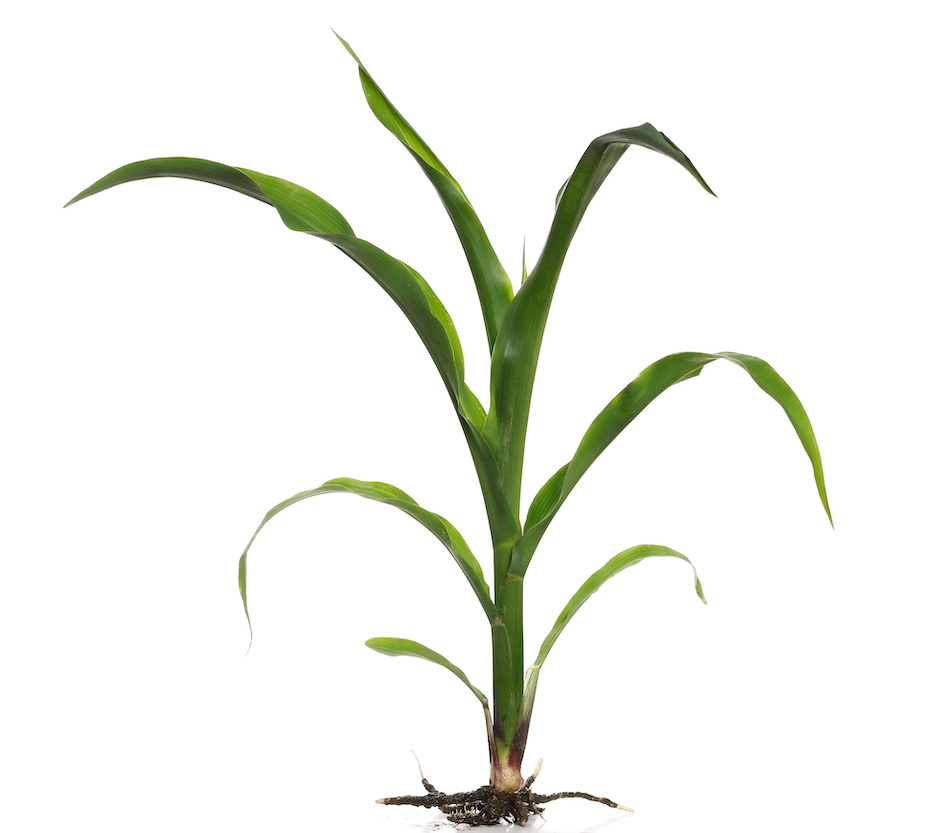
As rains come and go, crop nutrition continues to hold an important place in crop yield. Tissue sampling can provide a look at what’s really happening in the plants.
Crops “planted into marginal soils are possibly more vulnerable to nutrient deficiencies due to poor root health or reduced nutrient availability,” said Annamarie Zack, Federated ag sales rep for the Rush City location. (Crops that received excessive rainfall can be subject to the same problem, but few growers face that problem yet this year.)
Tissue sampling provides the best information for in-season fertility decision making.
It is valuable at three stages in corn: Between V5 and V8, from V10 to V15, and the again between VT and R2. But most essential “are tissue samples from the first two stages,” she said.
It’s only through tissue sampling that you can “critically evaluate how to improve nutrient application rates and formulations to increase uptake,” Zack said.
“Tissue sampling tells you what nutrients the plant has taken up and what nutrients they are actually using.” Without that knowledge, it’s anyone’s guess as to what’s working and what’s not, nutrition-wise.
Talk to your Federated Agronomist to discuss tissue sampling options in your crops to improve fertility and, ultimately, to improve yields.
Crops “planted into marginal soils are possibly more vulnerable to nutrient deficiencies due to poor root health or reduced nutrient availability,” said Annamarie Zack, Federated ag sales rep for the Rush City location. (Crops that received excessive rainfall can be subject to the same problem, but few growers face that problem yet this year.)
Tissue sampling provides the best information for in-season fertility decision making.
It is valuable at three stages in corn: Between V5 and V8, from V10 to V15, and the again between VT and R2. But most essential “are tissue samples from the first two stages,” she said.
It’s only through tissue sampling that you can “critically evaluate how to improve nutrient application rates and formulations to increase uptake,” Zack said.
“Tissue sampling tells you what nutrients the plant has taken up and what nutrients they are actually using.” Without that knowledge, it’s anyone’s guess as to what’s working and what’s not, nutrition-wise.
Talk to your Federated Agronomist to discuss tissue sampling options in your crops to improve fertility and, ultimately, to improve yields.