The Right Products at the Right Time For White Mold
Jun 23, 2026
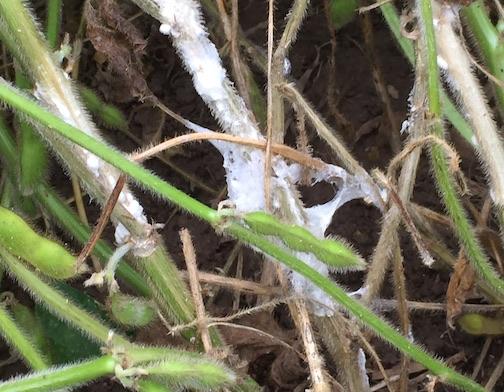
White mold is a fungal disease in soybeans that continues to be a significant pest in our area. It’s a problem that isn’t going away anytime soon, so knowing how to attack it and which products work best is vital to maximizing your yield.
“Because fungicide applications are preventative applications and not curative applications,” said Federated ag sales rep Brad Hipsag, “Fungicide needs to be applied before visual symptoms of white mold show up on the plant. The entry points for white mold infections are senescing flowers (flowers on the decline), so the best time to spray is at the R1-R2 stage (Beginning flower to full flower).”
When deciding if a fungicide application is necessary, consider the field’s history of white mold. If the field has seen white mold before, that means the sclerotia, or dormant fungi, is in the soil. If environmental conditions are right, there is a good chance of white mold infestations.
Another consideration when you have a history of white mold is your crop’s productivity. Higher-producing soybeans have a higher likelihood of developing white mold.
“So with a history of white mold and a high-producing crop, you’ll want to take a few precautions,” Hipsag said. “Consider your row spacing and canopy closure. Increased canopy density creates an ideal environment for white mold by keeping plants damp and limiting air flow between rows. You can also consider rotating out of beans, which can decrease the likelihood of white mold.
“However, spraying the right fungicide at the right time is the best and most immediate way to stop white mold before it starts.”
Hipsag recommends the following products:
- Miravis® Neo at 20.8 fl oz.
- Viatude™ at 16 fl oz.
“Viatude from Corteva is brand new this year,” said Federated agronomy sales manager Kevin Carlson. “Its two modes of action are unique, and it’s definitely worth trying on your more challenging white mold fields.”
If you have any questions about white mold or fungicide application, don’t hesitate to call your Federated Agronomist.