Tar Spot Scouting Tips
Aug 11, 2026
Even though it’s been a hot and dry season in most of our territory, tar spot is always looming. While we won’t have a firm handle on how bad tar spot will be until early September, it’s never too early to start scouting.
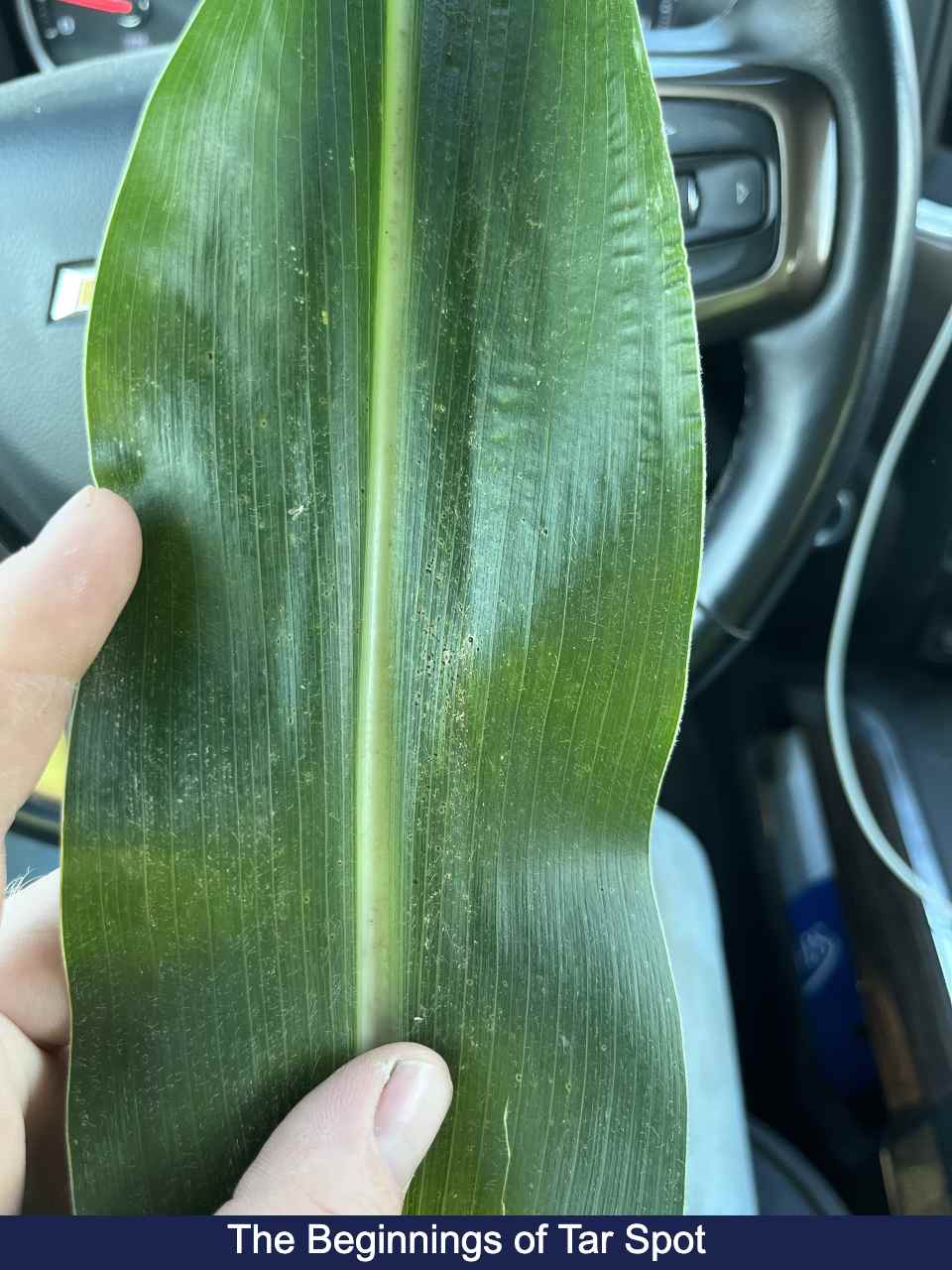
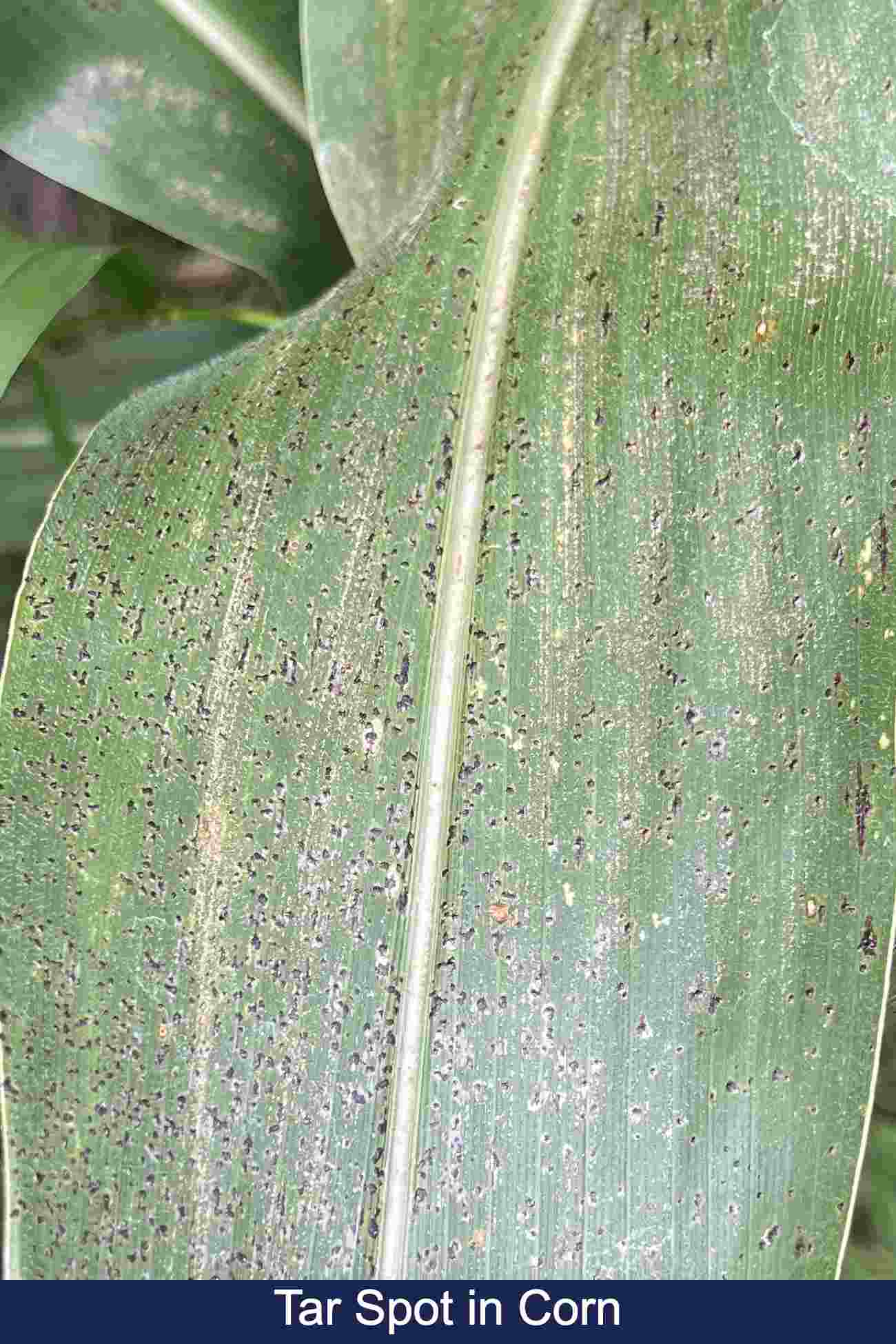
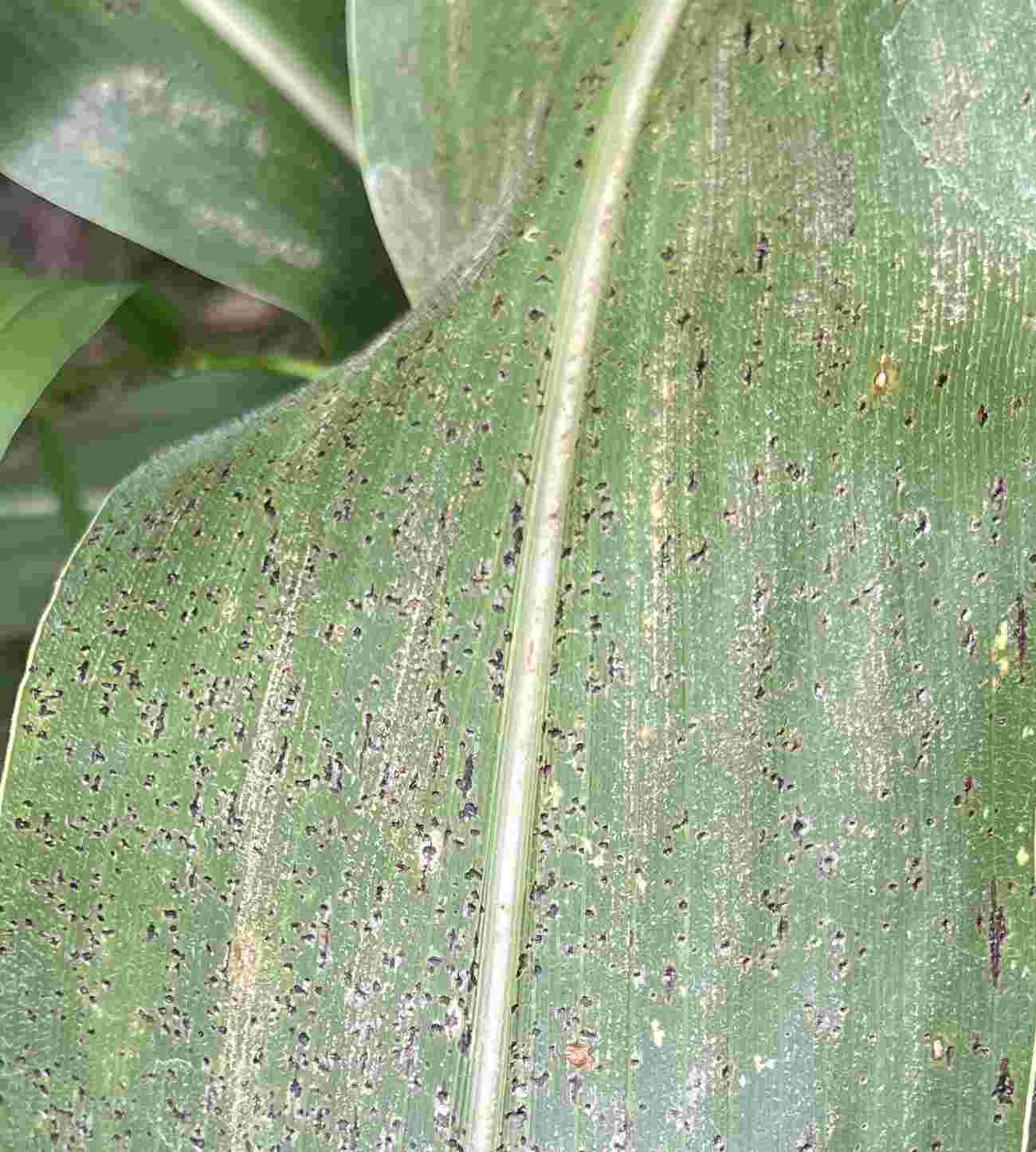
“Start scouting for tar spot on lower leaves around V8-V11,” said Federated agronomy sales rep Mike Slater. “You want to look for small black spots that are slightly raised and won’t rub off when you scratch the leaf. Tar spot looks like, you guessed it, a spot of tar on the leaf. Once tasseling and pollination start, keep checking the lower leaves below the ear.”
If you find tar spot before tassel, you could be looking at significant yield damage. We’ve been lucky with the weather so far, but there’s still plenty of time for conditions to change. Keep scouting and stay current with your fungicide application, even if there’s no evidence.
“It’s true that the later into the reproductive stage it’s spotted, the less damage tar spot can cause on yield,” Slater said. “But even late in the season, it can cause a lot of yield damage by killing off the plant early and stopping the grain-fill process. Your fungicide will help protect that yield. Our data from last year showed that a fungicide can provide a 20 - 40 bushel benefit when tar spot or other diseases were present.”
“We’re still learning about tar spot,” said Federated agronomy sales manager Kevin Carlson. “This year, we’re learning how it does in hot and dry conditions. We’re still on the upward slope of the learning curve, so it’s better to be proactive than not.”
“If you find tar spot this year,” Slater said, “plan for rotation to beans next year or look into a crop protection plan like a fungicide pass for corn. This year the first place to start scouting would be corn on corn acres where the disease was found the previous year.”
If you have any questions about tar spot or anything else in your fields, reach out to your Federated agronomist.