TAKE SOIL SAMPLES SOON AFTER HARVEST
Sep 27, 2021
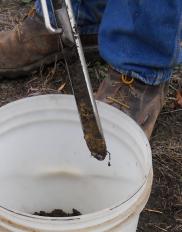
Once the crops are off the fields, soil sampling is easy. “You can run around the fields with your pickup truck or ATV, the fields are smoother, and it goes a lot faster,” said Rod Gustafson, Federated agronomist at the Albertville location.
That’s where you need to start. Soil samples tell you “what you do or don’t have,” nutrient-wise, Gustafson said, and if it’s been more than three or four years since you last took soil samples, it’s especially important. And if you have observed areas in a field where the crop didn’t fare so well – even if you soil sampled recently – it may be time to re-sample and see what’s going on in that particular area of the field.
“Fall is a good time to get ag lime on,” said Gustafson. “You can find out where the pH level is and correct it accordingly with ag lime.”
With ag lime, phosphorus (P), and potassium (K) applied in the fall, fields are ready to go for spring planting.
Federated offers both soil sampling and custom application services, and “we have more time in the fall,” he said. Plus, “we don’t have to worry about road restrictions, which are a problem in the spring.”
Gustafson noted that in addition to sampling being easier before fields are worked post-harvest, it’s also much easier to apply fertilizer on smooth fields. “Don’t be in a rush to turn it black,” he said. (Soil sample results take about a week to get back.)
Talk to your Federated Agronomist about soil sampling and fall fertilizer before the combines hit the fields, “so we can make plans with you,” said Gustafson.