SEED TREATMENT PROVES ITSELF
Jul 13, 2020
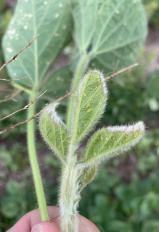
“We are starting to see higher concentrations of aphids on soybeans,” said Kevin Carlson, Federated’s agronomy sales manager, and “we are seeing [those concentrations] on seeds that were not treated with insecticide.”
As temperatures rise it is not uncommon to see aphids in soybeans, both treated and untreated, but the untreated seed is showing its vulnerability early on.
The number of aphids is not significant enough to require treatment – yet. But “keep an eye on fields,” said Carlson. Scout for aphids in soybeans, and alfalfa. “We are entering that insect time of year, and it’s early, especially for aphids.”
The potato leaf hoppers are showing up on alfalfa, which is also common in hot weather. “Leafhoppers are a significant problem in some [Federated] areas,” said Carlson, “in new seeding especially, but also in established fields.” The University of Wisconsin provides recommendations on thresholds for treating leaf hoppers. Typically, the threshold can be as low as one hopper per sweep, on average.
“Really watch those sentinel fields, especially those fields with untreated seed,” said Carlson. But as the residual effects of seed treatment wear off in the later part of the season, aphids can quickly reach treatable levels in any soybean field.
If you have questions, give your Federated Agronomist a call. And keep on scouting!