Hot and Dry Weather Makes For Uncertainty
Aug 25, 2026
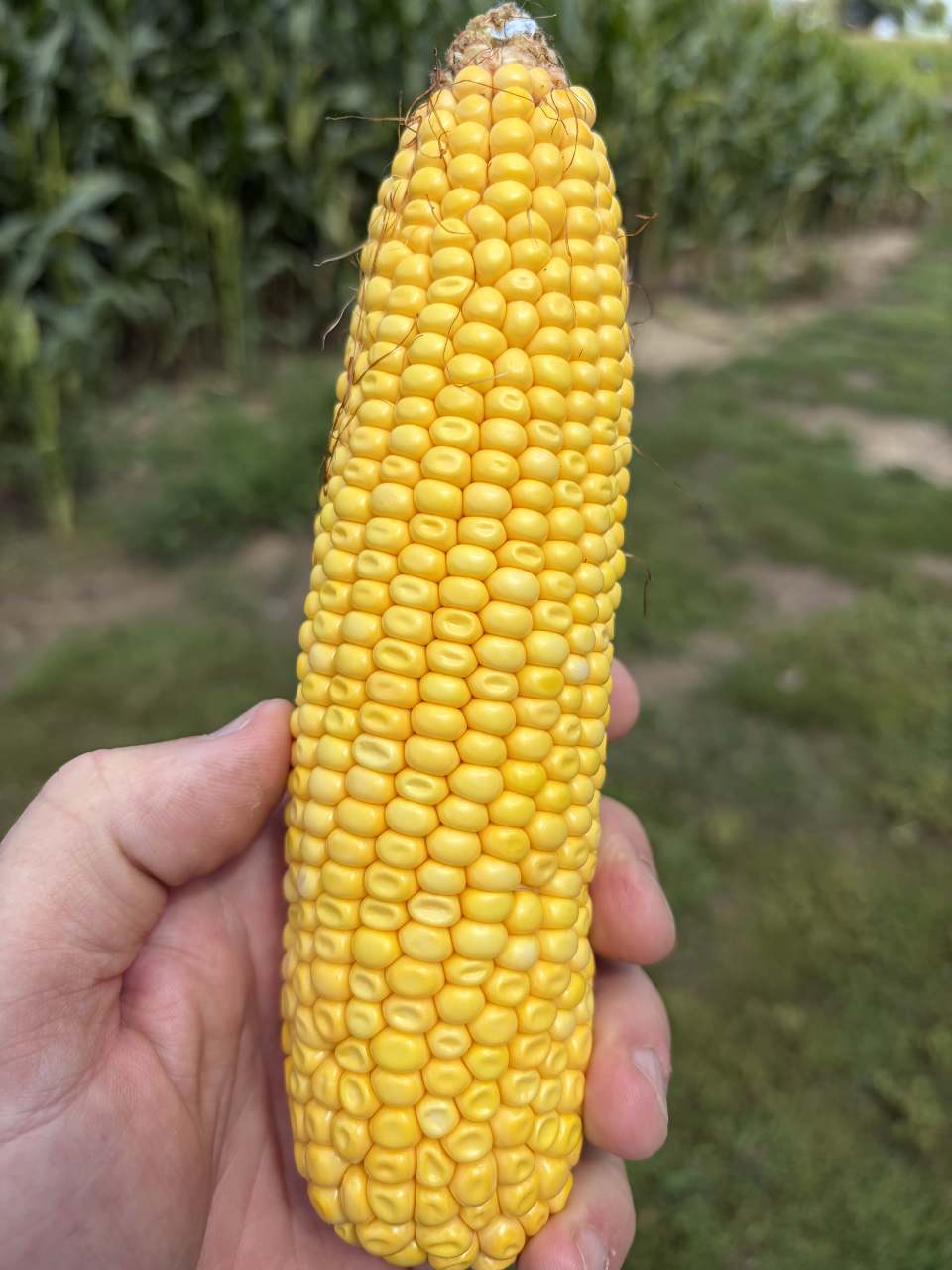
Though we’ve had spotty rain recently throughout Federated’s territory, drought is still a concern, especially in areas with light, sandy soil.
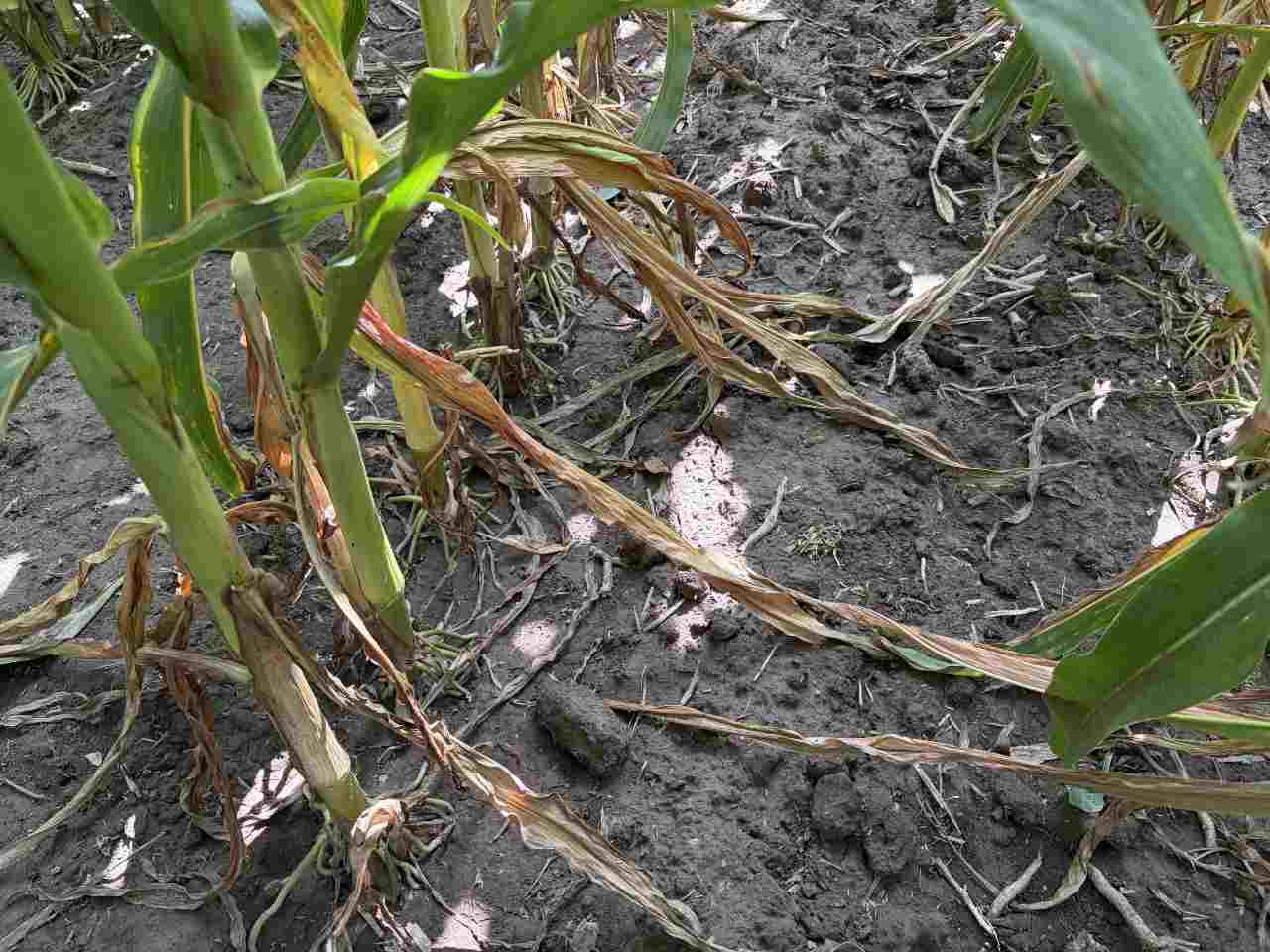
“Light ground is already in trouble,” said Federated agronomy sales manager Kevin Carlson. “Sandy soil is hit harder by drought conditions, and we’ve had plenty of those. The recent rain we’ve had isn’t enough to help the lighter soils.”
Medium to heavy soils, however, are still holding strong. “The last two or three weeks, some of our areas have seen up to two inches of rain,” Carlson said. “That’s really helped the heavy ground corn and soy.”
Drought aside, there’s still plenty of concern about heat stress. “We’re way ahead of our Growing Degree Units (GDU) in many areas,” Calrson said. “Chisago and Albertville are more than 200 GDU ahead of schedule, which is both good and bad. The good thing is that at least we're not below! That would be bad. But corn yields are better when the GDU rises slowly and steadily, as opposed to getting very high very early. So we’re still monitoring that situation.”
When corn is silking and pollinating, you don’t want a lot of heat stress, and we've had that consistently in the region. With so many corn hybrids and soybean varieties in the ground, evaluating how each responds could be a key to future successes.
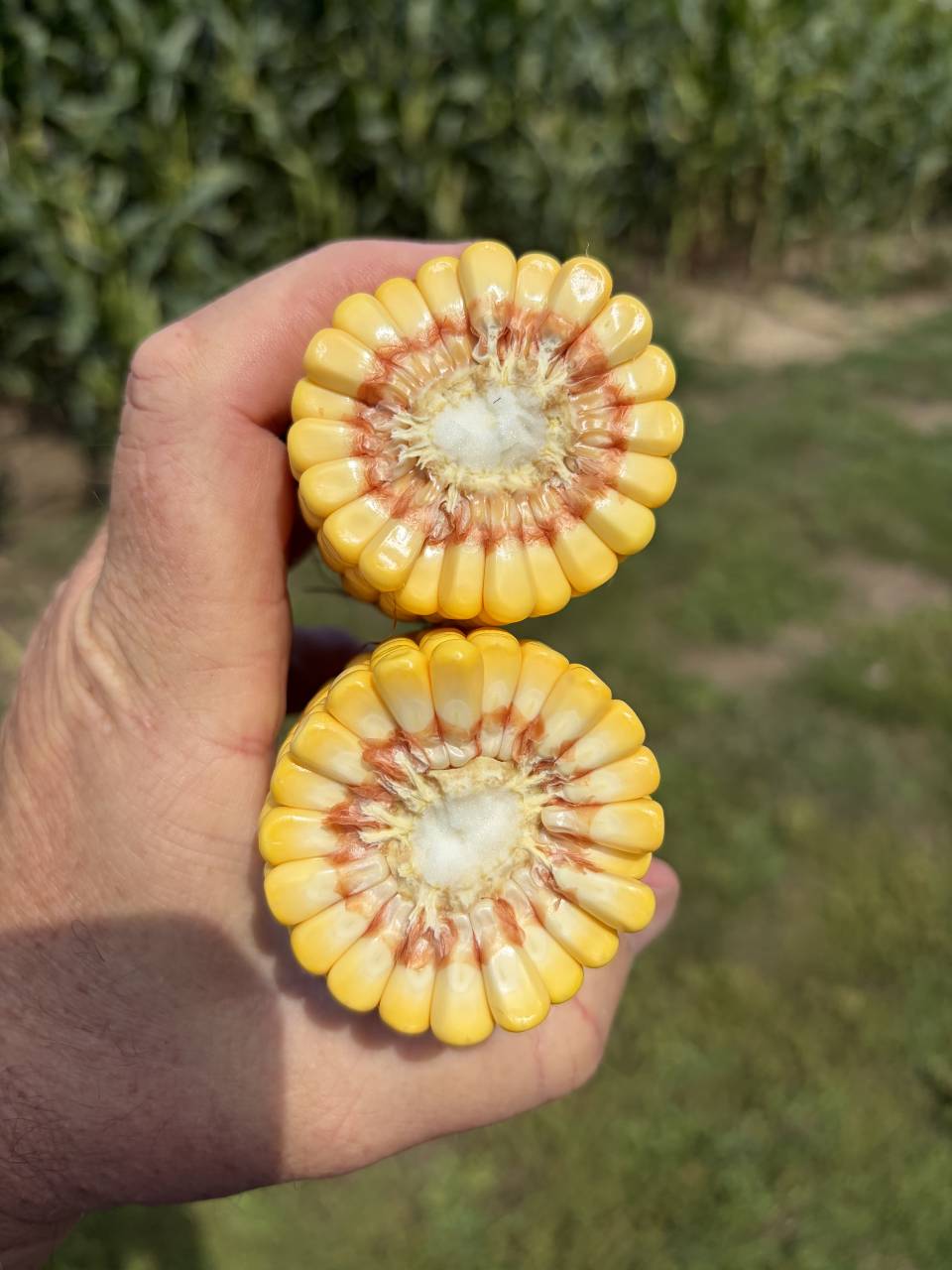
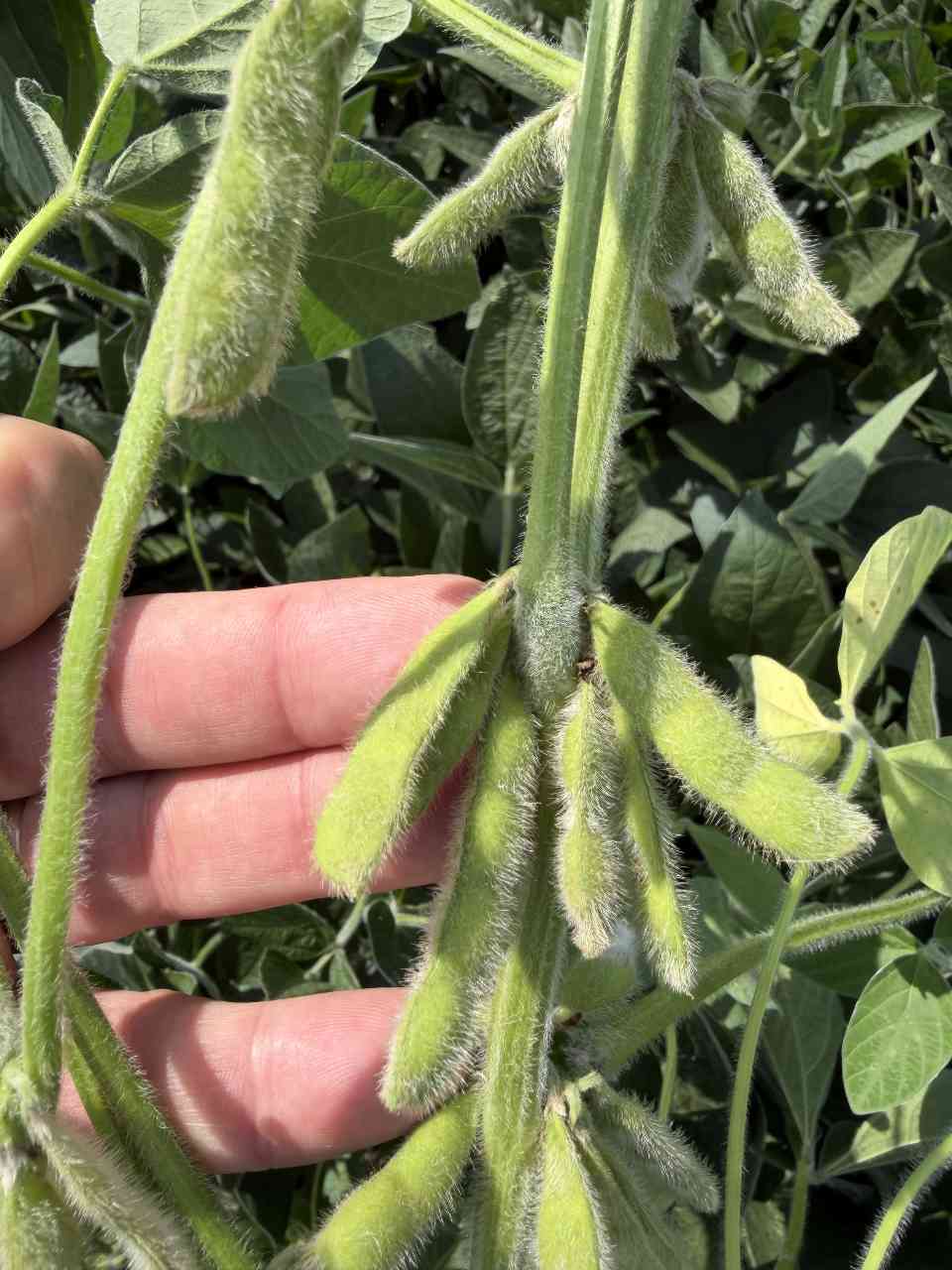
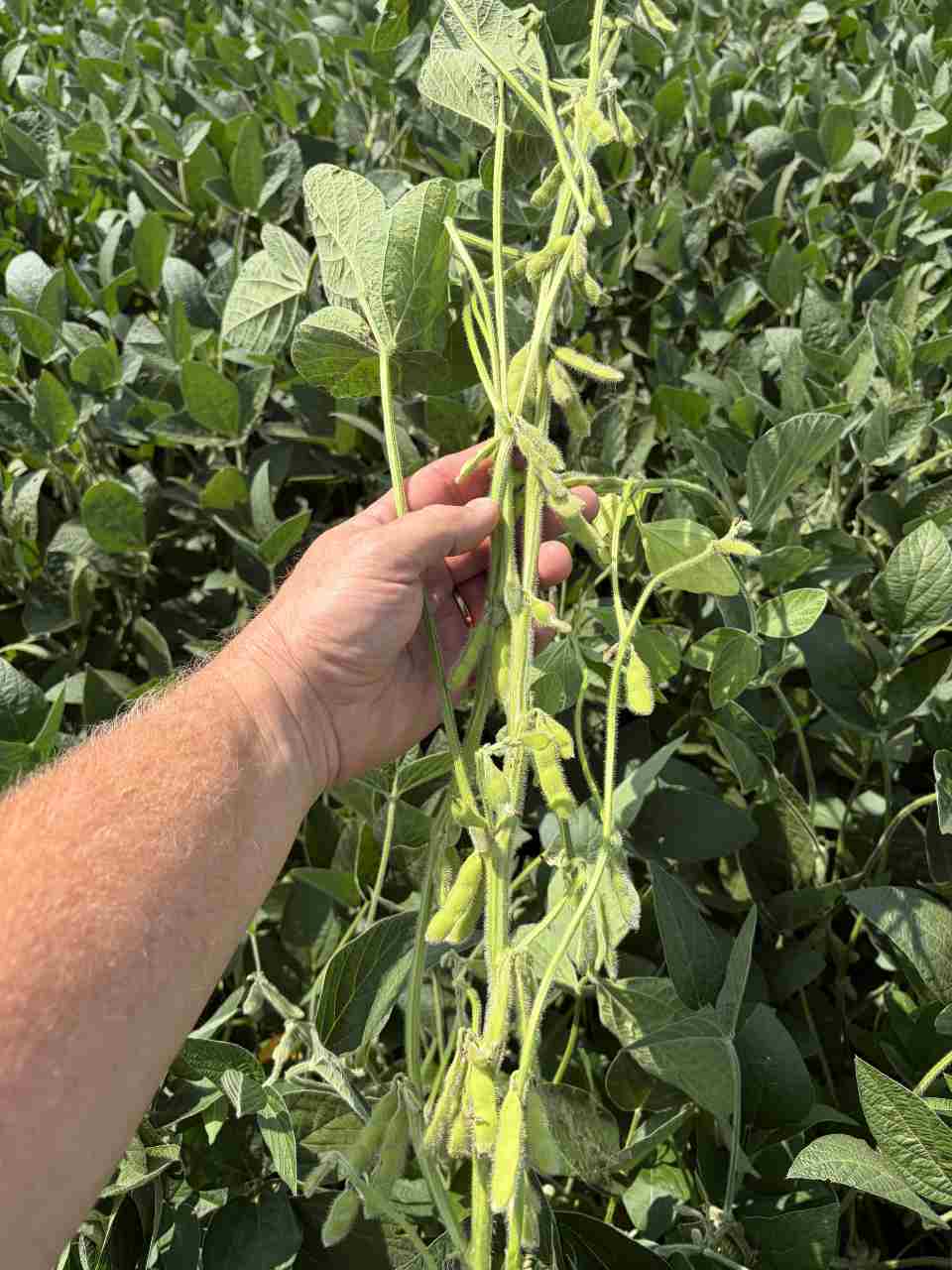
“It’s very interesting this year as far as evaluation goes,” Carlson said. “When heat is compounded with drought, there’s plenty to be concerned with. In corn, we're seeing a lot of blank ears and really bad tip back. That’s all due to heat stress, especially on sand. Soybeans need rain in August, and here we are at the end and there’s been nothing. There’s a lot of stuff to look at.”
If you have any questions about the state of your crop, contact your Federated Agronomist.