Genetics and Environment Inform Hybrid Choices
Jan 29, 2025
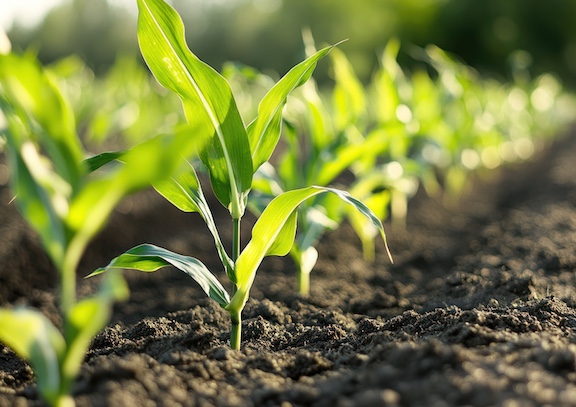
When choosing a hybrid, “the biggest thing, after all, is yield,” said Brent Wink, sales development manager for Land O’ Lakes/Winfield United.
“Genetics x Environment = Yield,” said Wink, and “since we don’t always know what our environment will be … we need to look for [hybrid] consistency among all environments.”
It’s about looking at “more than yield data when choosing hybrids,” said Kevin Carlson, Federated’s agronomy sales manager.
The soil and weather define the “environment” for any given hybrid’s success or failure. Just because a hybrid performs well in one environment doesn’t mean it will perform well on your farm.
Data from Winfield United Answer Plots assess genetics by soil type, management type, and weather type, as shown in this characterization (CHT) chart. “A hybrid does well one year and the next year it falls flat on its face,” he said, “so it’s super important to flush out what the best genetics are.”
With a “good handle on the other variables thrown at the genetics,” he said, “it’s possible to sift through the data and know what is best.” You can find the hybrids that were most consistent.
“Seed that’s $30 a bag cheaper with inconsistent performance could be the worst choice because of the [low] return on investment,” said Wink.
Carlson said, “We have absolutely fantastic information, replicated and statistically accurate information,” in the plot data. It’s worth a good look. The Discovery Plot data and the Winfield United Answer Plot data are posted here.
As Wink, who is also a farmer, said, “The cost per bag is one of the last factors I look at,” emphasizing the need to “look at the genetics, the performance, the consistency, and the total ROI.
Your Federated Agronomist is ready to help you sort through the data to make your 2025 hybrid selections.
“Genetics x Environment = Yield,” said Wink, and “since we don’t always know what our environment will be … we need to look for [hybrid] consistency among all environments.”
It’s about looking at “more than yield data when choosing hybrids,” said Kevin Carlson, Federated’s agronomy sales manager.
The soil and weather define the “environment” for any given hybrid’s success or failure. Just because a hybrid performs well in one environment doesn’t mean it will perform well on your farm.
Data from Winfield United Answer Plots assess genetics by soil type, management type, and weather type, as shown in this characterization (CHT) chart. “A hybrid does well one year and the next year it falls flat on its face,” he said, “so it’s super important to flush out what the best genetics are.”
With a “good handle on the other variables thrown at the genetics,” he said, “it’s possible to sift through the data and know what is best.” You can find the hybrids that were most consistent.
“Seed that’s $30 a bag cheaper with inconsistent performance could be the worst choice because of the [low] return on investment,” said Wink.
Carlson said, “We have absolutely fantastic information, replicated and statistically accurate information,” in the plot data. It’s worth a good look. The Discovery Plot data and the Winfield United Answer Plot data are posted here.
As Wink, who is also a farmer, said, “The cost per bag is one of the last factors I look at,” emphasizing the need to “look at the genetics, the performance, the consistency, and the total ROI.
Your Federated Agronomist is ready to help you sort through the data to make your 2025 hybrid selections.