A Variable-Rate Solution for the Problem of pH Variability
Aug 21, 2023
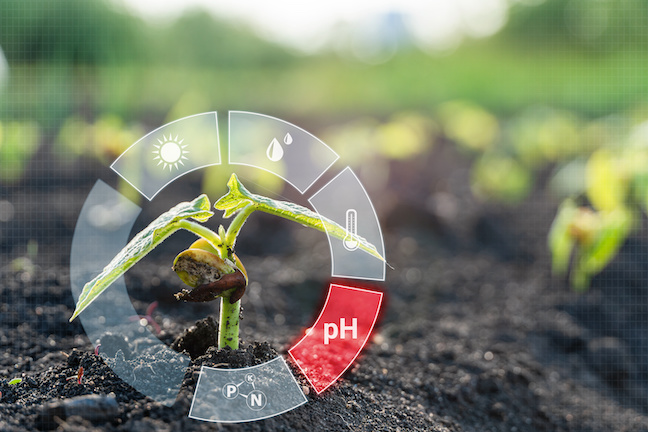
“Most of the soils in Federated’s trade territory have a lot of pH variability,” said John Swanson, Federated’s procurement manager (who previously served as a Federated Agronomist).
Over years of comparing pH maps (produced with grid sampling) and customer yield maps, Swanson discovered the “significant amount of variability in the soils and yields,” which demonstrated the direct correlation between yields and pH levels.
That correlation made Swanson “strongly recommend grid soil sampling for ag lime applications.” Even if you never apply a pound of fertilizer at a variable rate, “we have found that most of the time the variable rate ag lime application will pay for the sampling and more.”
“Reduced pH levels can reduce yields. Most crops have their highest yield potential with pH levels between 6.5 and 7,” he said.
Variable rate applications are cost-effective. “Most variable-rate applications do not take any more ag lime than a blanket application,” Swanson said. And with continued use of variable rate applications – through “multiple cycles” – the average variable rates are significantly lower than flat rates.
Ag lime is best applied where it’s needed, not where the pH levels are sufficient. Variable rate applications keep costs down by preventing overapplying. And, “it also gives you yield gains where you were underapplying with a flat-rate spread,” he said.
The end result of variable rate ag lime applications is “greater overall field yield averages,” said Swanson. “Contact your local Federated Agronomist and try a field for yourself.”
Over years of comparing pH maps (produced with grid sampling) and customer yield maps, Swanson discovered the “significant amount of variability in the soils and yields,” which demonstrated the direct correlation between yields and pH levels.
That correlation made Swanson “strongly recommend grid soil sampling for ag lime applications.” Even if you never apply a pound of fertilizer at a variable rate, “we have found that most of the time the variable rate ag lime application will pay for the sampling and more.”
“Reduced pH levels can reduce yields. Most crops have their highest yield potential with pH levels between 6.5 and 7,” he said.
Variable rate applications are cost-effective. “Most variable-rate applications do not take any more ag lime than a blanket application,” Swanson said. And with continued use of variable rate applications – through “multiple cycles” – the average variable rates are significantly lower than flat rates.
Ag lime is best applied where it’s needed, not where the pH levels are sufficient. Variable rate applications keep costs down by preventing overapplying. And, “it also gives you yield gains where you were underapplying with a flat-rate spread,” he said.
The end result of variable rate ag lime applications is “greater overall field yield averages,” said Swanson. “Contact your local Federated Agronomist and try a field for yourself.”