A Little Sampling Goes a Long Way
Sep 22, 2026
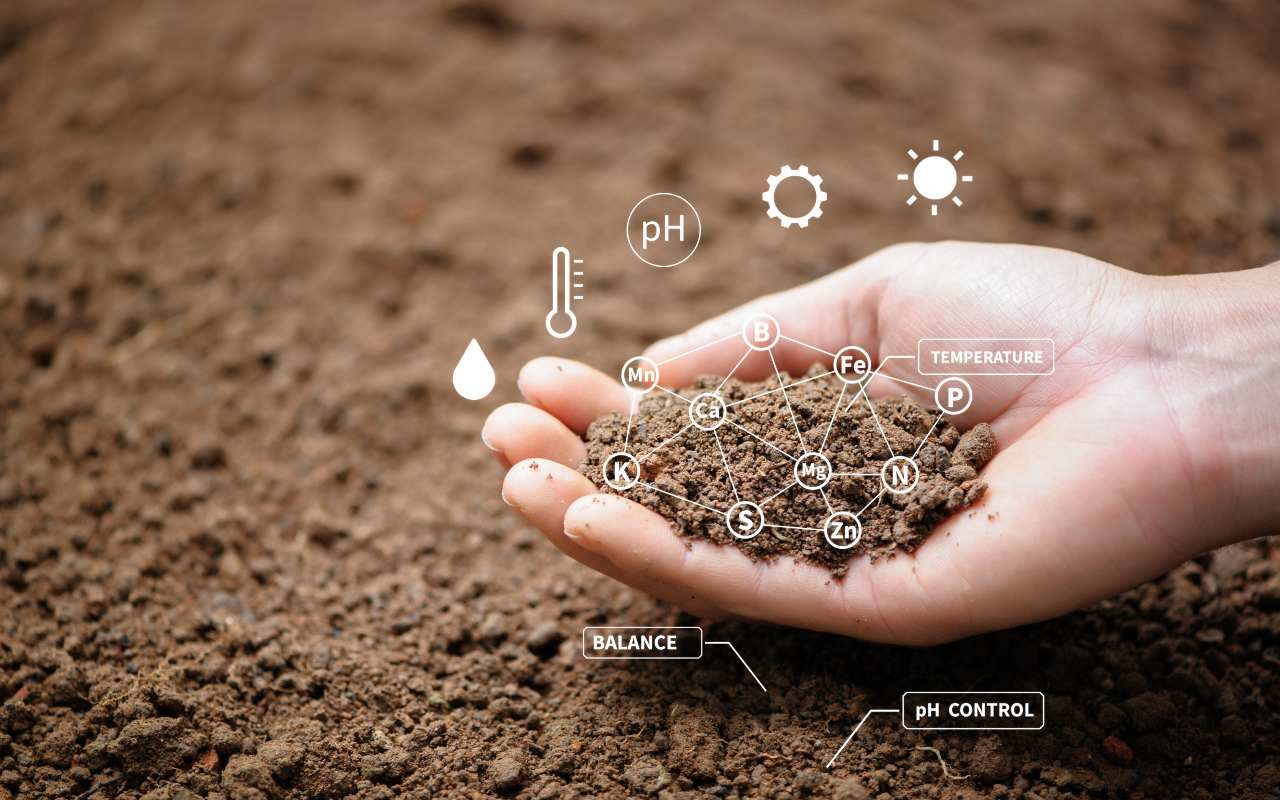
In farming, sometimes a small investment of time or money can pay off dozens of times over. Sampling the very ground we grow from is one of those investments.
“A simple soil sample can be worth its weight in gold,” said Federated Ogilvie ag sales Brad Hipsag. “What we learn from a soil sample can set you up for the current season and beyond.”
Soil samples tell us important information like the levels of essential macro and micro nutrients in the soil, soil pH, and organic matter levels. “Knowing these levels allows you to tailor your fertilizer needs to get the best return on your fertilizer investment,” Hipsag said. “And soil sampling is the only way to learn that.”
Some things, like fertilizer or fuel prices, are entirely out of your control. Soil sampling puts control back into your hands and gives you the information you need to make the best decisions. Only by testing the ground can you know what products you need, what nutrients to apply, and at the correct rates to apply them.
“Fall is a great time to sample your soil,” Hipsag said. “Ideally, samples are taken from every field every 3-5 years so we can stay up to date with your nutrient management plan. But they also provide a baseline of comparison over the years.”Your Federated agronomist can use a few different methods of soil sampling:
- Composite: Collect 12-15 cores that best represent a single field
- Grid: Break the field into square grids. The most common size is 2.5-acre grids, but these can be customized to any size
- Zone: Sample based on some kind of field history such as topography, soil survey maps, yield history, or any other management history
Contact your Federated Agronomist to sample your soil and help you understand the test results. It’s a small investment, but the value is large!